
Time: 2026-03-19 16:01 Click:
As hydrogen energy gradually becomes part of our everyday energy landscape, hydrogen storage has emerged as one of the most critical challenges in the hydrogen value chain. When people think about storing hydrogen, they often picture high-pressure gas cylinders or cryogenic liquid hydrogen—solutions that either raise safety concerns due to extreme pressure or require significant energy and cost to maintain ultra-low temperatures.
However, an alternative technology is gaining increasing attention: solid-state hydrogen storage. Widely regarded in the industry as one of the most promising solutions for hydrogen storage and transportation, it could play a key role in enabling the large-scale adoption of hydrogen energy.
In simple terms:
Solid-state hydrogen storage allows hydrogen to be stored inside solid materials.
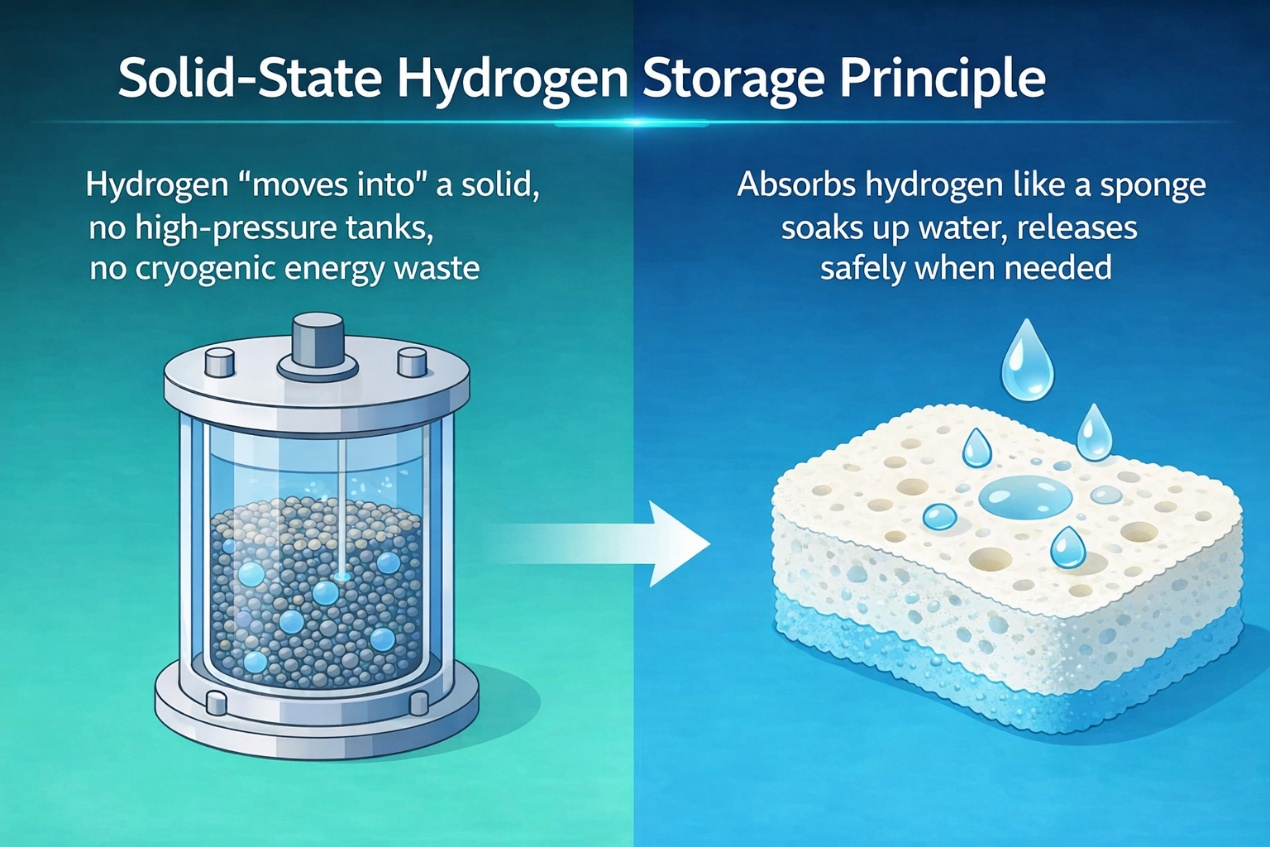
Instead of relying on bulky high-pressure tanks or energy-intensive cryogenic systems, hydrogen can be absorbed by specialized materials—much like a sponge absorbs water—and safely released when needed.
The Core Principle:
Giving Hydrogen a “Solid Home”
A helpful way to visualize this technology is to imagine the storage material as a sponge designed specifically for hydrogen.
Hydrogen Absorption
Under moderate pressure and near room temperature, hydrogen molecules enter the structure of the solid storage material and react with it to form stable metal hydrides. This process effectively locks hydrogen within the material, enabling safe and efficient storage.
Hydrogen Release
When hydrogen is needed, a slight increase in temperature or decrease in pressure allows the stored hydrogen to be released in a controlled manner. The hydrogen remains high in purity, and the release rate can be precisely managed—similar to squeezing a sponge to release water on demand.
This process involves no violent reactions and minimal leakage risks, making it both safe and reliable.
Major Solid-State Hydrogen Storage Materials
Several types of materials are currently used for solid-state hydrogen storage, each offering unique advantages depending on the application.
AB5 Rare-Earth Hydrogen Storage Alloys
These alloys which are adsorbents based on alloy materials represent the most mature and commercially proven technology for room-temperature hydrogen storage. They offer stable hydrogen absorption and release under low pressure, long cycle life, and strong resistance to impurities. Although their storage capacity is relatively modest, they remain the dominant material in many commercial solid-state hydrogen systems.
AB2 Laves Phase Hydrogen Storage Alloys
AB2 alloys provide significantly higher hydrogen storage capacity compared with AB5 materials. They also feature fast hydrogen absorption and release rates and a wide operating pressure range at room temperature. However, they are more sensitive to oxidation and require higher hydrogen purity, making them ideal for medium- to large-capacity hydrogen storage applications.
Magnesium-Based Hydrogen Storage Alloys
Magnesium-based materials are among the highest-capacity hydrogen storage materials available. Magnesium is abundant and cost-effective, making it attractive for large-scale applications. However, hydrogen release typically requires temperatures above 300°C, so further material optimization is needed. These systems are currently being tested in large-scale, long-duration hydrogen storage projects.
Key Advantages of Solid-State Hydrogen Storage
Exceptional Safety
Hydrogen is stored within solid materials, significantly reducing the risks associated with high-pressure storage.
High Energy Density
Solid-state systems can store a large amount of hydrogen in a relatively compact volume.
Efficiency and Flexibility
These systems are well suited for distributed energy applications and can be easily integrated into various energy infrastructures.
Emerging Application Scenarios
Solid-state hydrogen storage is already being deployed across multiple sectors.
Transportation
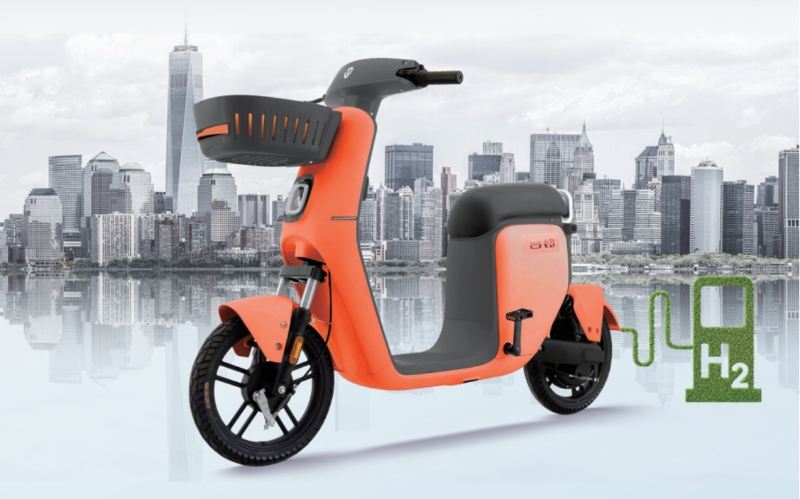
Cities such as Foshan and Qingdao have introduced solid-state hydrogen-powered bicycles and shared e-bikes. Refueling takes approximately three minutes, providing a range of over 100 kilometers, while maintaining stable performance even in low temperatures—helping overcome the range limitations often associated with lithium batteries.
Industrial Hydrogen Supply
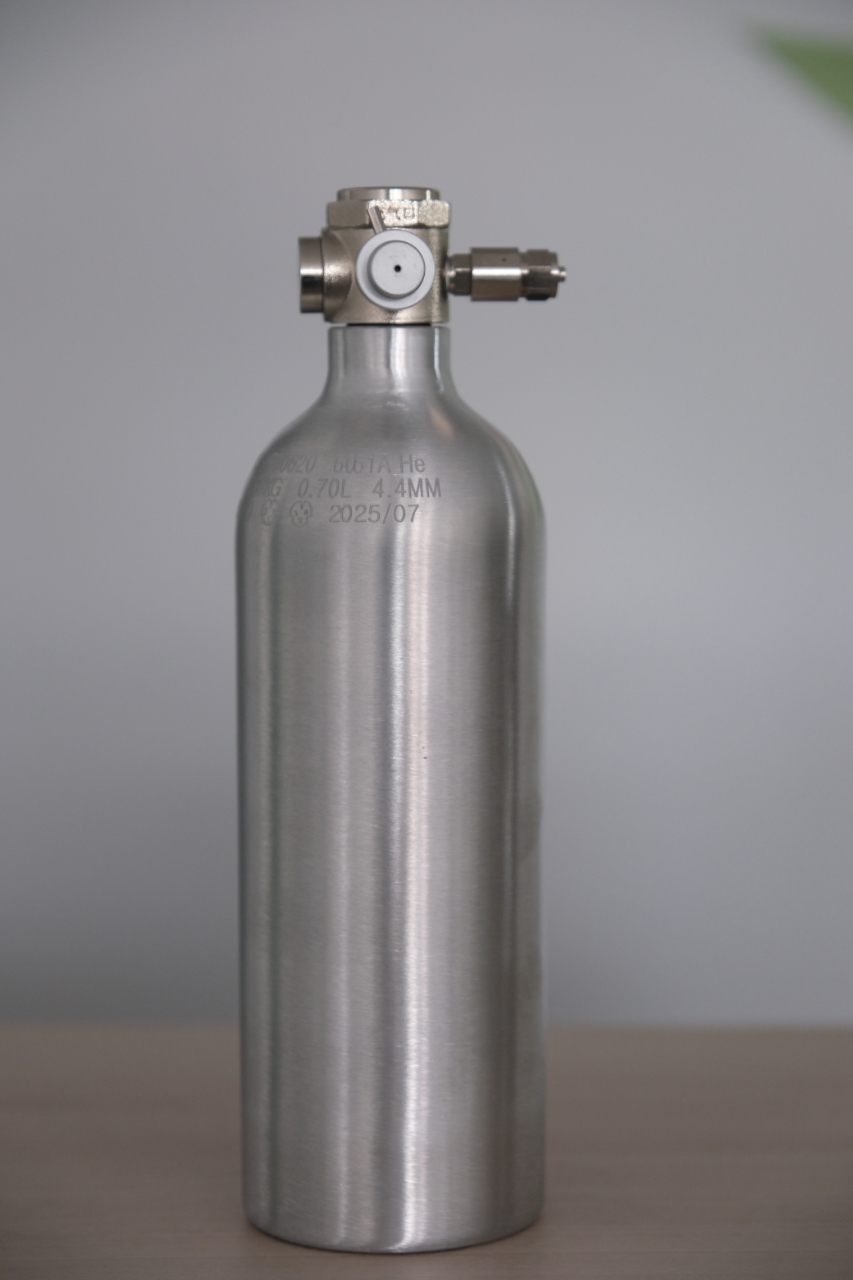
Solid-state systems can replace high-pressure gas cylinders, offering safe and high-purity hydrogen sources for industries such as chemicals, electronics, and metallurgy. They are particularly well suited for distributed hydrogen supply in small- to medium-scale industrial settings, simplifying transportation and maintenance.
Renewable Energy Storage
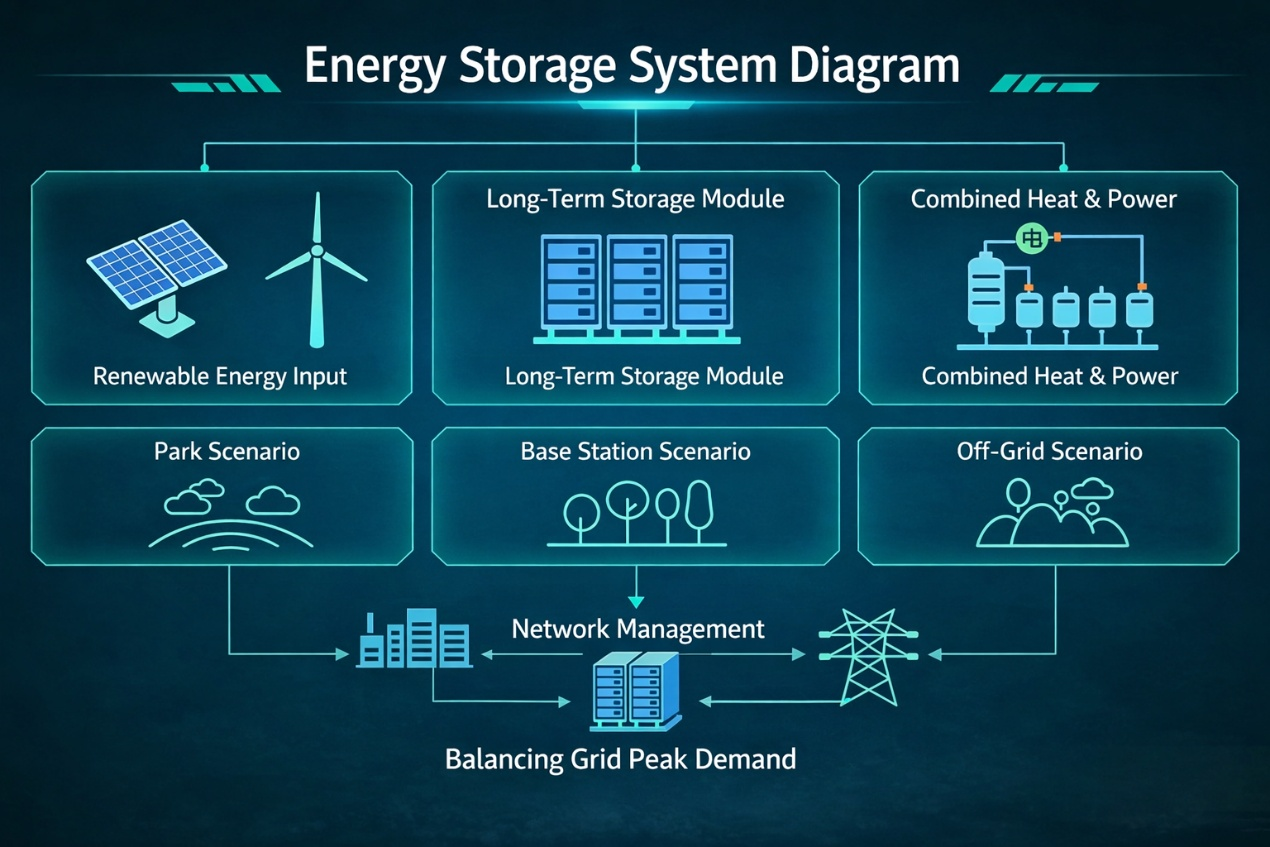
Solid-state hydrogen storage can also be integrated with renewable energy sources such as wind and solar to provide long-duration energy storage. When combined with combined heat and power (CHP) systems, it can supply stable electricity and heat for industrial parks, telecom base stations, and off-grid environments, while supporting grid balancing and peak-shaving needs.
Looking Ahead
As technology advances and costs continue to decline, solid-state hydrogen storage is expected to play an increasingly important role in distributed energy systems, transportation, and industrial hydrogen supply.
With its combination of safety, efficiency, and flexibility, this technology is helping pave the way for the widespread adoption of hydrogen energy, supporting global efforts to achieve carbon neutrality and sustainable energy systems.
